Revitalise Your Day with Organic and Natural Green Tea and Matcha
In the world of functional beverages, few ingredients hold as much prestige as green tea and its concentrated powdered cousin, matcha. Known for their vibrant hue and earthy profile, these teas have been a cornerstone of wellness rituals for centuries. At Organics on a Budget, we believe that accessing high-quality organic and natural tea should not be a luxury. We source premium blends that ensure you receive the full spectrum of antioxidants without the synthetic pesticides or fertilisers common in conventional tea farming.
Because tea leaves are not typically washed before they are dried and steeped, choosing an organic and natural option is vital. Conventional tea crops are among the most heavily sprayed in the world; by choosing our range, you ensure that your daily cup is as pure as nature intended.
The Unique Benefits of Matcha vs. Green Tea
While both come from the Camellia sinensis plant, the difference in cultivation and preparation creates two distinct experiences.
Why Choose Organic and Natural Matcha?
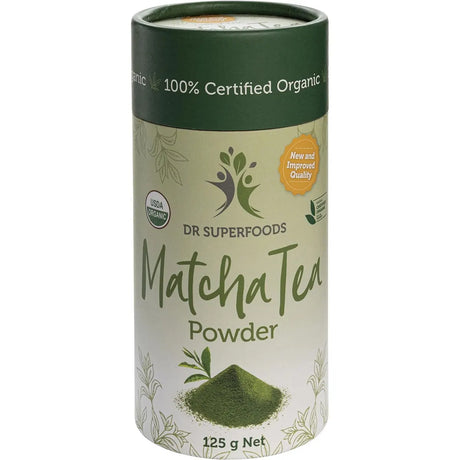
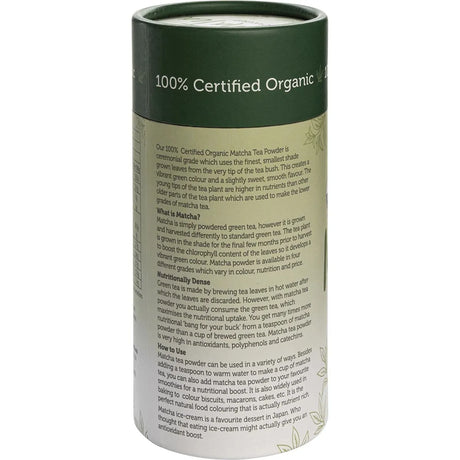
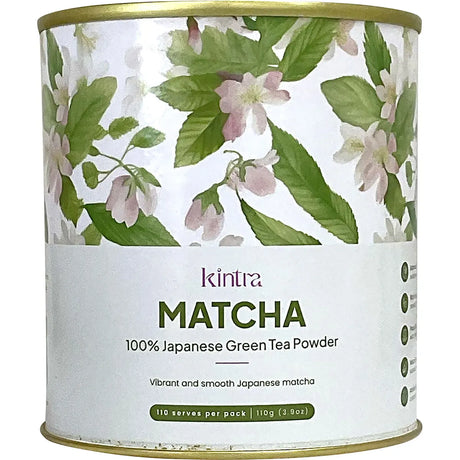
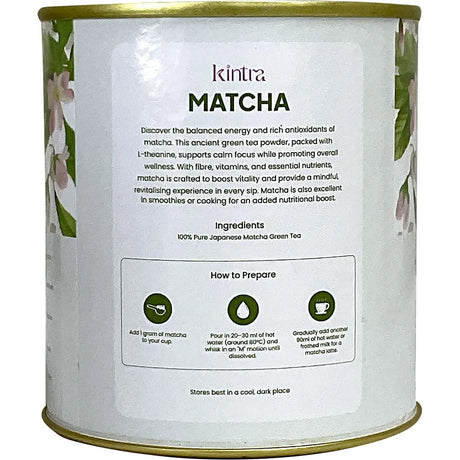
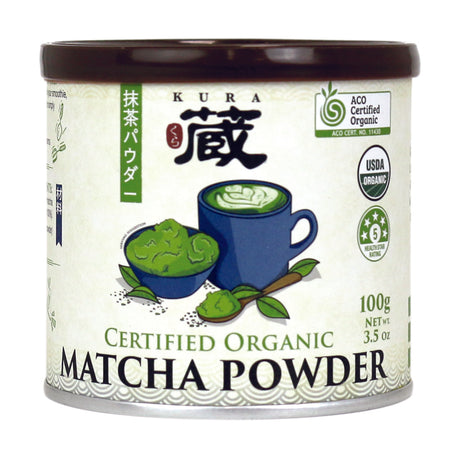
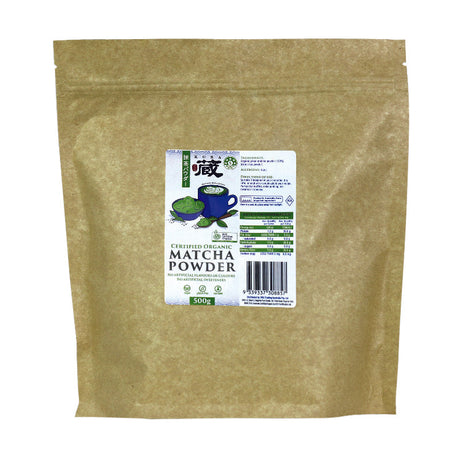
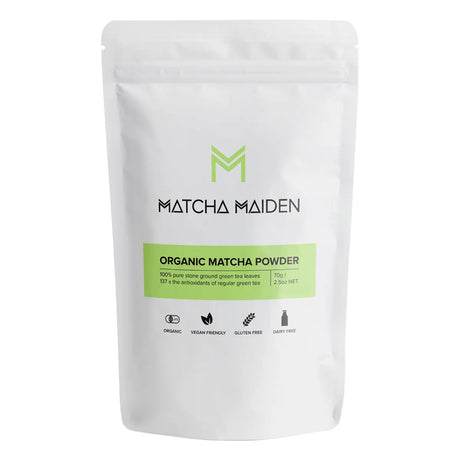
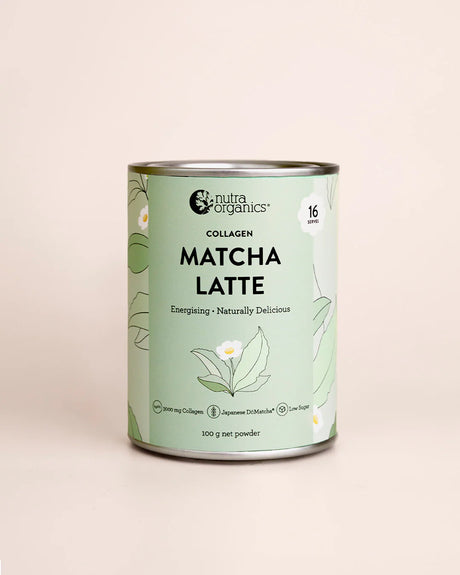
Matcha is made from shade-grown tea leaves that are stone-ground into a fine powder. When you drink matcha, you are consuming the entire leaf, providing roughly ten times the antioxidants of a standard cup of green tea. Our organic and natural matcha is rich in L-theanine, an amino acid that promotes "alert calmness," helping you avoid the caffeine jitters often associated with organic and natural coffee.
The Gentle Power of Green Tea
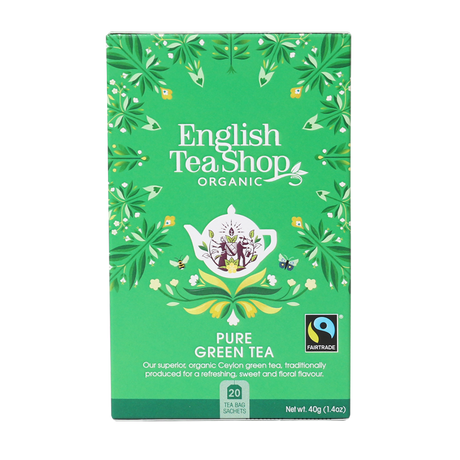
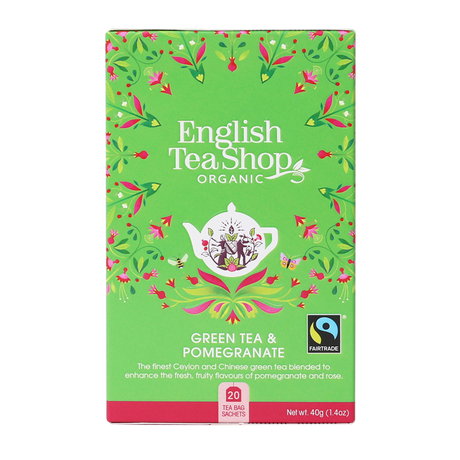
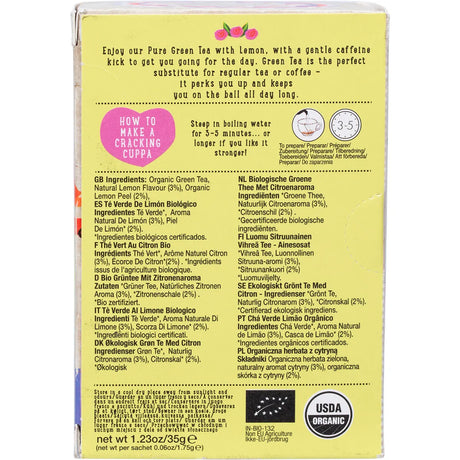
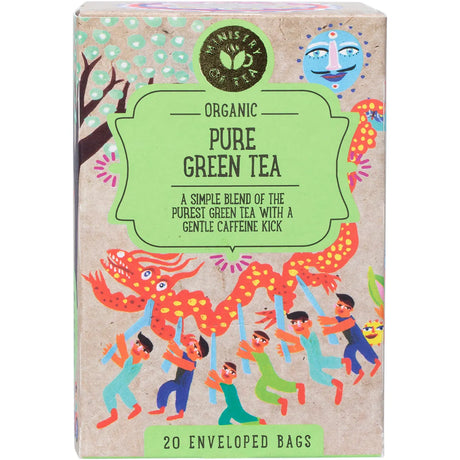
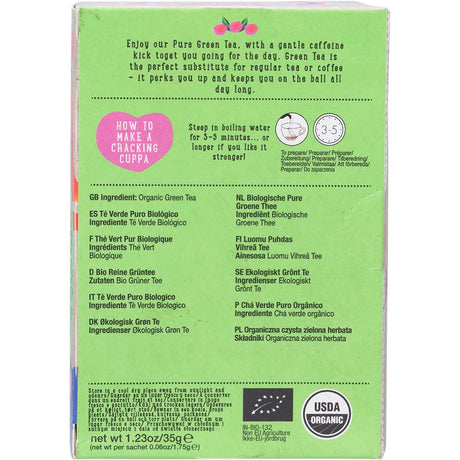
For those who prefer a lighter, more delicate infusion, our loose-leaf and bagged organic and natural green teas offer a refreshing boost. These are perfect for supporting metabolism and cardiovascular health. To elevate your morning routine, pair your tea with a nutrient-dense breakfast from our pantry staples or explore our breakfast and spreads for natural sweeteners like raw honey.
Mastering the Perfect Green Tea Ritual
The secret to a great cup of green tea is temperature. Boiling water can scald the delicate leaves, resulting in a bitter taste that masks the tea's natural sweetness.
1. Temperature Check: Aim for 80°C.
Do not use rolling boiling water. Let your kettle sit for 2–3 minutes after boiling, or add a splash of cool water to your mug before pouring. This preserves the organic and natural antioxidants.
2. The Perfect Whisk: For Matcha only.
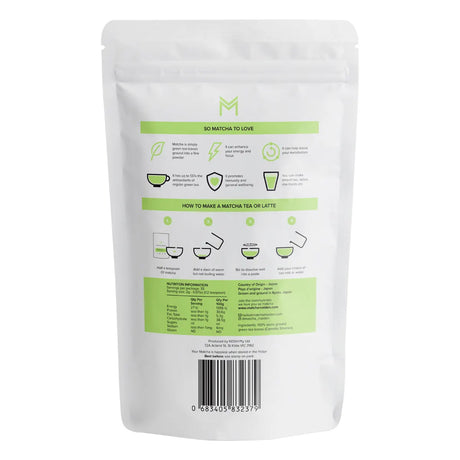
Sift 1/2 teaspoon of matcha into a bowl. Add a small amount of hot water and whisk in a "W" motion until a thick, frothy foam forms on the surface.
3. Steep with Care: 2 to 3 minutes.
For leaf tea, a short steep is best. Over-steeping releases excess tannins. If you find your tea too strong, try our organic and natural rooibos tea for a naturally caffeine-free alternative.
4. Mindful Sips: The Finish.
Enjoy your tea as part of a wider wellness routine. Many find that sipping tea while using facial rollers or a toner, serum, or mask creates a spa-like experience at home.
Frequently Asked Questions
Does green tea contain caffeine?
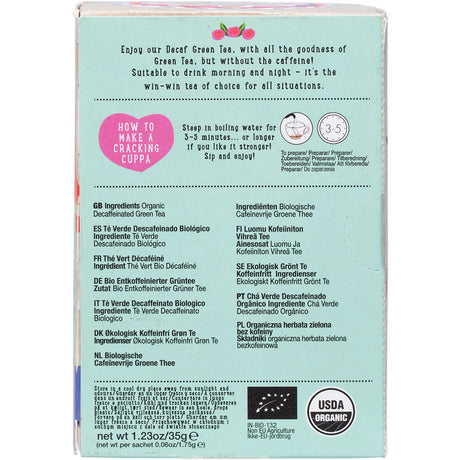
Yes, both green tea and matcha contain caffeine, though usually less than a standard cup of coffee. Because they contain L-theanine, the energy release is typically more stable. If you are looking for a 100% caffeine-free option, browse our herbal tea or liquorice tea collections.
What is the difference between Ceremonial and Culinary matcha?
Ceremonial grade is made from the youngest tea leaves and is designed to be whisked with water and enjoyed plain. Culinary grade has a bolder, slightly more astringent flavour, making it perfect for smoothies, lattes, or baking. Both are available as organic and natural options in our beverages section.
Can I drink green tea for a detox?
Green tea is a fantastic addition to a healthy lifestyle. Its high catechin content supports the body's natural processes. For a more targeted approach, you may enjoy our organic and natural detox tea blends which feature ginger and dandelion.
How should I store my tea to keep it fresh?
Heat, light, and air are the enemies of tea. Store your organic and natural tea in an airtight container in a cool, dark place like your pantry. Matcha, in particular, should be consumed within 2–3 months of opening for peak freshness and colour.


 Bulk BuyUp to 8% off
 4% off
 9% off
 8% off
 10% off
 10% off
 SALE10% off